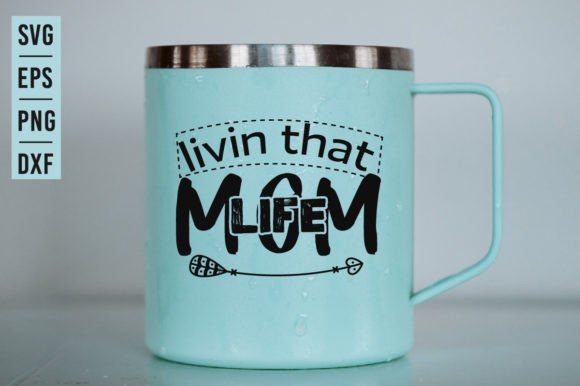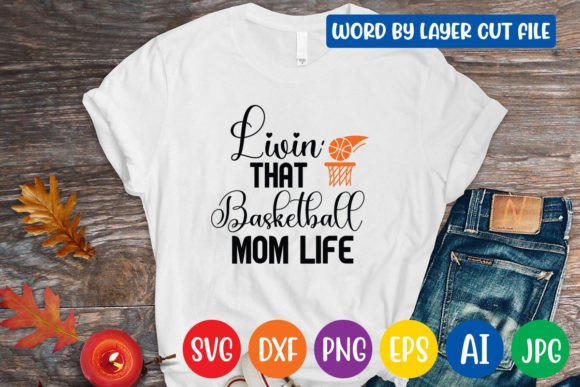
Livin That Farmer Mom Life SVG: An Embroidery Review
As a professional embroidery digitizer and product reviewer, I approach every new graphic with a specific question: will this actually stitch out well, or is it just a pretty picture on a screen? When evaluating the Livin That Farmer Mom Life Svg Cut File, my perspective shifts immediately from digital aesthetics to tactile reality. While this asset is marketed primarily as a cut file for vinyl and sublimation within the Crafts and Graphics categories, its potential as a foundation for a custom machine embroidery design is significant for the right maker. However, translating a vector graphic into thread requires a critical eye for detail, density, and fabric interaction.
First Impressions and Design Personality
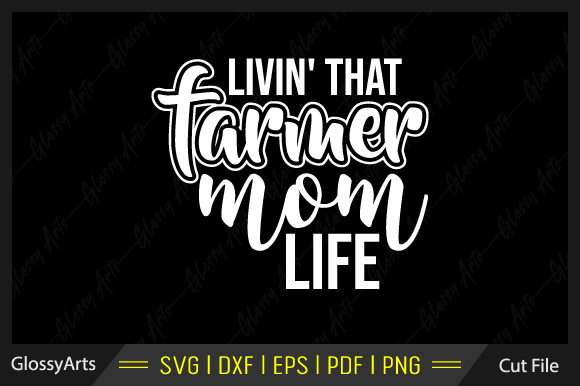
Visually, this design captures a very specific niche aesthetic that resonates deeply with agricultural families and rural lifestyle enthusiasts. The mood is nostalgic yet modern, balancing rustic charm with clean lines suitable for merchandise. For an Etsy seller or small shop product line, this theme is evergreen. It does not feel like a generic seasonal trend; rather, it speaks to an identity. When I look at the layout, I see strong potential for sweatshirt embroidery and tote bag designs. The typography likely carries enough weight to support a satin stitch border or a bold fill stitch center, which is crucial for readability on textured fabrics like canvas or fleece.
However, because this is a digital download intended for cutting machines, the lines are optimized for blades, not needles. As an embroidery designer, I appreciate the clean vectors, but I must caution that direct conversion without digitizing software adjustment can lead to issues. The visual personality is warm and inviting, making it ideal for personalized gifts, baby embroidery projects, or boutique branding for farm stands and homestead businesses.
Real-World Application: The Canvas Tote Test
To truly judge the viability of the Livin That Farmer Mom Life Svg Cut File for needlework, I mentally placed it in a real-life scenario: creating a heavy-duty canvas tote bag for a farmer’s market vendor. This is a high-stakes project because canvas is unforgiving, and the end user expects durability.
In this context, the design needs to hold up against wear and washing. If I were digitizing this for a tote bag design, I would avoid tiny running stitches that might get lost in the fabric weave. Instead, I would utilize the bold elements of the SVG to create defined columns of satin stitch or textured fill stitch. The goal is to ensure the phrase "Farmer Mom" remains legible even when the bag is slung over a shoulder or resting against denim. For a handmade product of this nature, the stitching must feel substantial. A flimsy stitch-out on heavy canvas devalues the finished product instantly. Conversely, for a lighter application like a tea towel or nursery decor, the same SVG could be interpreted with delicate running stitches or redwork styles to maintain a soft drape.
Navigating Fabric Challenges and Hoop Limitations
Not every garment is a blank canvas, and this design requires strategic placement. One area where I advise extreme caution is stretchy fabric. If you are planning custom apparel on ribbed knit or performance wear, the rigid nature of typical farm-themed graphics can cause puckering if the stabilizer and stitch density are not perfectly balanced. Always test on scrap fabric first. The Livin That Farmer Mom Life Svg Cut File may have intricate corners or decorative flourishes that look crisp on a monitor but can become thread nests on unstable material.
Furthermore, consider your hoop size limitations. Large, sprawling layouts often require resizing, which alters stitch counts and densities. If you are working with small hoop sizes for items like caps or baby clothes, you may need to isolate specific elements of the design rather than using the full composition. Detailed corners and tiny lettering are the first casualties of down-sizing. In these cases, simplifying the design preserves the integrity of the embroidery file. For curved surfaces like caps, the flat geometry of an SVG must be warped or arched during the digitizing process to prevent distortion at the edges of the stitch field.
Technical Considerations for Commercial Use
For creative entrepreneurs and commercial embroidery businesses, technical execution equals customer trust. Before listing any finished product derived from this graphic, verify the licensing terms explicitly. Since the description notes this is a digital download with mockup images for visualization, you must confirm whether the license permits selling physical embroidered goods or if it is restricted to personal use or digital resale. Never assume commercial rights based on category tags alone.
When preparing for production, review your thread colors against both light and dark fabric backgrounds. A design that pops on white cotton might disappear on navy denim unless you adjust the underlay or add a contrasting outline. Stitch density is another critical variable; too dense, and the fabric becomes bulletproof and prone to needle breaks; too sparse, and the fabric shows through, making the embroidery look cheap. Use proper stabilizer tailored to the specific garment weight. For a professional finish on dark fabrics, consider testing black and white mockups to evaluate contrast values before committing expensive thread to the project.
Elevating Product Value Through Intentional Design
The difference between a hobbyist craft and a premium boutique item often lies in how the source art is adapted for the medium. Using the Livin That Farmer Mom Life Svg Cut File as a base allows for immense creativity, but only if you respect the physics of thread. Visual appeal in embroidery comes from texture and dimension, not just color matching. When customers run their hands over an embroidered patch or apron, they should feel quality craftsmanship.
This design asset serves as an excellent starting point for holiday embroidery collections or Mother’s Day personalized gifts. Its thematic strength supports higher price points because it targets a passionate demographic. However, buyer engagement relies on accurate representation. If you sell digital embroidery files based on this SVG, provide clear photos of actual stitch-outs, not just printable mockups. Customers need to see how the satin stitch interacts with the grain and how the fill stitch covers the area. Transparency builds brand consistency and reduces returns.
Final Designer Notes for Makers
Before you hoop up, take a moment to audit the file. Check whether the design works for both personal enjoyment and your specific business model. Inspect small details that might need removal or enlargement for successful stitching. Compare the design against your current inventory of fonts and clipart to ensure it complements your existing style rather than clashing with it.
- Test First: Always run a sample on similar fabric texture to check tension and registration.
- Check Licensing: Confirm commercial use rights for both physical products and digital assets before selling.
- Mind the Density: Adjust stitch density based on fabric weight to prevent puckering or coverage gaps.
- Simplify for Small Hoops: Remove micro-details that cannot be rendered clearly in smaller formats.
- Verify Formats: Ensure your machine accepts the converted embroidery file type before purchasing.
Ultimately, the Livin That Farmer Mom Life Svg Cut File is a versatile tool for the thoughtful maker. It bridges the gap between digital crafting and traditional needle arts, provided you apply professional judgment to the translation process. Whether you are creating a signature sweatshirt embroidery line or a heartfelt baby gift, success lies in respecting the material constraints while celebrating the design's rustic spirit. By treating this SVG as a blueprint rather than a final destination, you can create handmade products that honor the farmer mom lifestyle with authenticity and quality.