Be Careful My Mom is Crazy: Embroidery Review
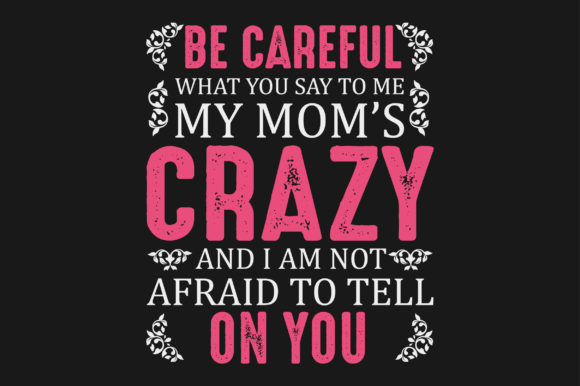
When evaluating a new machine embroidery design for my shop, I look past the digital preview and immediately imagine how it will behave under the needle. The "Be Careful My Mom is Crazy Mother Day" graphic presents an interesting challenge and opportunity for crafters and apparel decorators. As a vector-based graphic originally intended for print, translating this humorous, floral-accented typography into a stitch file requires a critical eye. My first impression is that this design carries a bold, sassy personality wrapped in feminine aesthetics. It balances edgy humor with soft floral elements, making it a versatile candidate for custom apparel and novelty gifts, provided the digitizing respects the integrity of both the text and the botanical details.
Translating Vector Graphics to Stitch Reality
The product description highlights that this asset includes AI, EPS, SVG, and PNG files composed of 100% resizable vector shapes. For an embroidery designer, this is excellent news but comes with a caveat. Vectors are mathematically perfect lines, whereas embroidery is physical thread on textured fabric. Before loading this into your digitizing software or sending it to a professional digitizer, you must assess the line weight. The floral elements in "Be Careful My Mom is Crazy Mother Day" likely feature varying stroke widths that look elegant on screen but may be too thin for a standard running stitch or too thick for a clean satin stitch without modification.
In my experience reviewing similar Graphics for conversion, the transition from digital art to embroidery file often requires simplifying intricate petal details. If the flowers have high-detail shading in the vector format, they will need to be reimagined as fill stitch areas or simplified outlines to prevent excessive stitch density. A dense design might look beautiful in a mockup but could cause puckering on a lightweight t-shirt or result in a stiff, bulletproof patch on a sweatshirt. Always verify that the vector nodes are clean before auto-digitizing; jagged vectors create jagged stitches.
Real-World Application: The Custom Tote Bag Test
To truly judge the viability of this design, I mentally placed it on a canvas tote bag—a staple handmade product for Mother’s Day markets. Canvas provides a stable foundation, which is ideal for testing complex typography. In this scenario, the "Be Careful My Mom is Crazy" text serves as the focal point. For a tote, I would recommend keeping the overall size between 5x7 inches to maintain readability from a distance. The humor relies on legibility; if the font is too ornate or the stitch density causes the letters to merge, the joke is lost.
I also considered how this design would perform on a crewneck sweatshirt. Unlike the flat surface of a tote, sweatshirts have loft and stretch. Here, the floral accents act as natural registration points. When hooping fleece or French terry, using a heavy-duty stabilizer is non-negotiable. I envision the florals stitched in a variegated thread to add depth without increasing stitch count, while the text remains in a solid, high-contrast color. This approach maintains the design's playful mood while ensuring the finished product feels soft and wearable rather than heavy and industrial. For Etsy sellers, this specific application targets the trendy "cool mom" demographic perfectly, bridging the gap between sentimental holiday gear and modern relatable humor.
Fabric Limitations and Hoop Considerations
While the design has strong potential, there are environments where "Be Careful My Mom is Crazy Mother Day" demands caution. Small hoop sizes are the primary adversary here. Compressing this layout into a 4x4 hoop would likely force the text below the minimum readable height for embroidery. Tiny lettering leads to thread breaks, poor coverage, and customer returns. If you only own a small hoop machine, consider isolating just the floral element for a pocket-sized accent or a sleeve detail, rather than forcing the full composition.
Textured fabrics like terry cloth or minky also pose risks. The intricate interplay between the warning text and the delicate flowers can get swallowed by high-pile fabrics. If you intend to use this for baby items or plush blankets, you must employ a water-soluble topping to keep the stitches visible. Furthermore, dark fabrics require careful planning. The product notes mention easy color changes, but remember that light thread on dark fabric often requires an underlay base to prevent the fabric color from bleeding through the stitches. Without proper underlay, white satin stitches on a black shirt will look grey and muddy, diminishing the professional quality of your commercial embroidery.
Curved Surfaces and Stretchy Materials
Caps and curved surfaces present another hurdle. The horizontal spread of the phrase "Be Careful My Mom is Crazy" suggests a wide aspect ratio. On a structured cap, the curvature can distort straight text lines. You may need to arc the text manually during the digitizing process to compensate for the curve, or risk the outer letters dipping awkwardly. Similarly, performance wear or thin knits require a lighter touch. High-density fill stitches in the floral sections could cut through delicate jersey knits. In these cases, converting the flowers to appliqué designs or simple outline stitches preserves the garment's drape and prevents damage.
Impact on Brand Value and Customer Trust
For small shop product lines and boutique branding, consistency is key. Using a well-executed version of this design signals to buyers that you understand current trends but refuse to compromise on quality. A crisp, clean stitch-out builds trust; a messy one with jumping threads and misaligned florals damages your reputation. The visual appeal of this specific design lies in its contrast—the juxtaposition of "crazy" with beautiful blooms. When executed correctly, it elevates a simple garment to a conversation piece.
This design also holds significant value for digital product sellers. Because the source files are vectors, they are ideal for creating high-quality printable mockups. However, if you are selling the digitized embroidery version, transparency about sizing and fabric compatibility is essential. Buyers appreciate knowing upfront that this design works best on medium-weight cottons rather than silk or leather. Providing accurate previews that show realistic stitch textures rather than flat vector renders helps manage expectations and reduces support inquiries regarding personalized gift orders.
Essential Pre-Stitch Checklist for Makers
Before committing this design to a sellable item or a cherished gift, run through this practical evaluation list. These steps separate hobbyist attempts from professional results:
- Test on Scrap Fabric First: Never stitch directly onto a final product without a test run. Use a fabric scrap that matches the weight and weave of your intended project to check for puckering and alignment.
- Verify Licensing Terms: The description lists file types but does not explicitly state commercial usage rights for finished embroidered goods versus digital resale. Confirm whether you can sell the physical tote bag design or sweatshirt embroidery before listing it in your shop.
- Check Thread Color Contrast: View the design in grayscale. If the text and background florals blend together in black and white, they will lack definition in thread. Adjust colors to ensure distinct separation.
- Inspect Small Details: Zoom in to 100% in your software. Are there gaps between the satin columns? Is the running stitch continuous? Fix these digitally before the needle ever touches fabric.
- Evaluate Stabilizer Pairing: Match your stabilizer to the fabric, not the design. A tear-away might suffice for canvas, but a cut-away is mandatory for knit custom apparel.
- Review Washability: If this is for a kitchen towel or apron, ensure the stitch type can withstand frequent laundering. Dense satin stitches may fray over time; consider a more durable fill or chain stitch alternative.
Final Thoughts for Creative Entrepreneurs
"Be Careful My Mom is Crazy Mother Day" is a vibrant addition to the Crafts category, offering a fresh take on maternal appreciation. Its strength lies in its dual nature as both a funny statement and a pretty aesthetic. For the experienced embroiderer, it offers enough complexity to showcase skill while remaining accessible enough for quick production runs. Whether you are creating a holiday embroidery sample for social media or fulfilling custom orders for Mother's Day, treat the vector source as a blueprint, not a rulebook. Adapt the design to respect the physics of thread and fabric. By doing so, you ensure that the final embroidered patch, shirt, or bag honors the humor of the original message with the quality your customers expect.