Boston Terriers Mom Typography SVG Review
First Impressions: Assessing the Visual Personality for Stitch
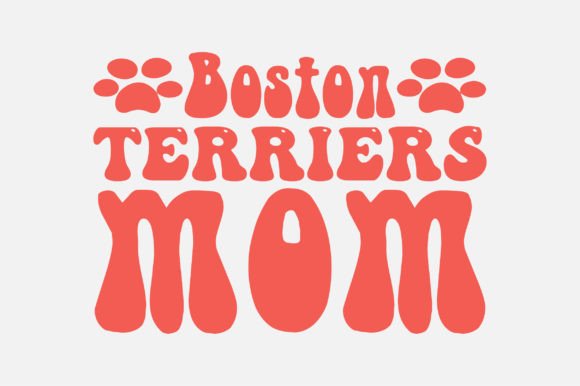
When evaluating a new machine embroidery design, my first step is always to look past the digital rendering and imagine the physical texture. The Boston Terriers Mom Typography SVG immediately strikes a balance between modern graphic appeal and traditional craft warmth. As a designer who frequently creates custom apparel and personalized gifts for pet owners, I recognize that this niche demands a specific aesthetic. It cannot be too sterile or corporate; it needs to feel handmade and affectionate. This typography design succeeds because the letterforms appear to have enough weight to support thread without looking blocky or heavy on the fabric.
The layout suggests a versatile composition that would work beautifully as a centered chest placement on a sweatshirt embroidery project or as a bold statement on a tote bag design. For those of us in the craft business or operating as an Etsy seller, having a design that translates well across multiple product types is essential for maximizing the return on our design assets. The visual hierarchy seems clear, which is critical when converting vector graphics into stitch files. If the text is too intricate, we risk losing legibility once the needle hits the fabric, but this design appears optimized for clarity.
Real-World Application: Stitching a Custom Tote Bag
To truly understand the value of this file, I mentally walked through a recent client request: a custom canvas tote bag for a dog rescue volunteer. She wanted something durable, readable from a distance, and distinctly "Boston Terrier." Using the Boston Terriers Mom Typography SVG as the foundation for this embroidery project makes practical sense. Canvas is a forgiving substrate, but it requires a design with adequate stitch density to prevent the fabric grain from showing through the letters.
In this scenario, I would likely utilize the SVG format to adjust the scale slightly before digitizing or sending to a cutter if I were combining vinyl and thread. However, for pure embroidery, the clean lines of this typography allow for efficient pathing. When stitching on a tote, I often worry about hoop burn or distortion. Because this design relies on strong typographic shapes rather than microscopic details, it allows for a more stable stitch-out. The result is a finished product that looks professional and boutique-ready, rather than homemade. This level of perceived quality directly influences customer trust and justifies a higher price point for small shop products.
Fabric Compatibility and Hoop Size Considerations
While this design is versatile, experienced makers know that not all fabrics behave identically. When planning your next handmade product, consider the following technical constraints:
- Stretchy Fabrics: If applying this to a lightweight jersey knit or performance wear, you must use appropriate stabilizer. Typography designs can pull and distort stretchy material if the stitch density is too high or if the underlay is insufficient. Always test on a scrap of the exact garment fabric first.
- Textured Surfaces: On terry cloth towels or fleece blankets, fine serif details can get lost. You may need to add a topping or increase the column width of the letters to ensure the Boston Terriers Mom Typography SVG remains crisp against the pile.
- Small Hoop Sizes: Before committing to a 4x4 hoop, verify the dimensions. Reducing typography too aggressively can cause jump stitches to become problematic or letter spacing to collapse. Check your machine’s maximum field size against the design’s native aspect ratio.
- Dark vs. Light Fabrics: High contrast is key for readability. While the provided PNG (4500×5400 at 300 dpi) is excellent for creating a printable mockup to show clients how it will look on dark navy or black sweatshirts, remember that thread sheen changes perception. Matte threads on dark fabric can sometimes reduce legibility compared to rayon or polyester.
Commercial Viability for Makers and Digital Sellers
For creative entrepreneurs, this asset serves dual purposes. Physically, it anchors a collection of holiday embroidery items or mother’s day gifts. Digitally, the inclusion of high-resolution PNG and JPEG files alongside the EPS and SVG formats adds significant value. As an Etsy seller or digital product vendor, you can use these raster images to create compelling listing photos and social media previews without needing to stitch out every color variation immediately.
However, a crucial note for anyone selling commercial embroidery services or finished goods: always verify the specific licensing terms included with your purchase. While the file formats are suitable for Cricut and Silhouette users creating heat transfer vinyl versions, embroidery rights can sometimes differ from print-on-demand rights. Ensuring you have the correct commercial license protects your craft business and maintains professional integrity. Furthermore, if you are selling the digital file itself, confirm whether modification or redistribution is permitted to avoid intellectual property issues.
Designer Notes: Technical Checks Before Production
Before running this design on a final personalized gift or inventory item, run through this practical checklist to ensure professional results:
- Verify File Integrity: Although the description lists EPS, SVG, PNG, and JPEG, ensure you have the specific digital embroidery file format your machine requires (such as PES, DST, or JEF). Vector files like SVG are source art; they usually require digitizing software to convert into stitch data unless a pre-digitized version is explicitly included.
- Thread Color Contrast: Simulate the design in your software using actual thread brand colors. What looks good in RGB screen color might vibrate unpleasantly in thread. For a Boston Terrier theme, classic black, white, and red often photograph best for marketing.
- Mockup Testing: Use the 300 dpi PNG to create realistic mockups. Place it on both light and dark backgrounds to see which offers better sales potential. This saves time and materials by validating market interest before stitching.
- Stabilizer Selection: Match your backing to the fabric weight. A cutaway is generally safer for apparel to maintain the shape of the typography over repeated washings, while tear-away may suffice for sturdy tote bags.
- Detail Inspection: Zoom in to 100% in your editing software. Look for overlapping stitches or tiny gaps in the vector paths that could translate to registration errors in the embroidery file. Clean vectors equal clean stitches.
Elevating the Finished Handmade Product
Ultimately, the Boston Terriers Mom Typography SVG is more than just a cute phrase; it is a functional design asset that bridges the gap between digital art and tangible craftsmanship. Whether you are producing baby embroidery for a new puppy mom, creating branded merchandise for a dog walking service, or stocking your online store with unique Graphics and Crafts, success lies in execution. By respecting the technical requirements of embroidery—stabilization, density, and fabric choice—you transform a digital download into a cherished, high-value item. Take the time to test, adjust, and verify, and this design will undoubtedly become a staple in your production lineup.