Softball Daughter and Mom Life SVG Review
As a designer who spends more time behind an embroidery machine than a computer screen, I approach every new graphic with a specific question: will this actually stitch out cleanly, or is it just a pretty picture? When evaluating the Softball Daughter and Mom Life Svg for potential use in my own custom apparel line and client projects, I looked past the digital preview to assess its viability as a functional machine embroidery design. This graphic carries a distinct emotional weight that resonates deeply with sports families, but translating that sentiment into thread requires careful consideration of layout, density, and end-use application.
First Impressions and Emotional Resonance
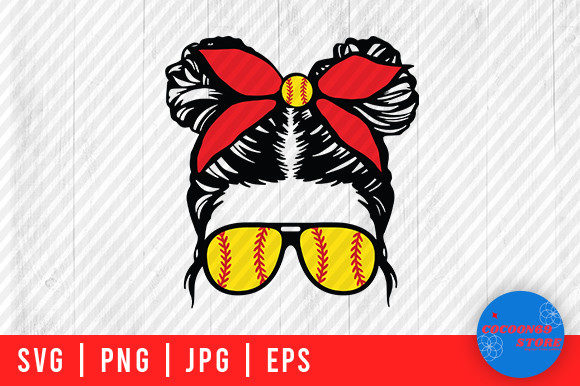
The immediate strength of this design asset is its narrative clarity. In the crowded niche of softball graphics, many designs rely solely on generic bats or balls. This composition integrates the relationship dynamic between mother and daughter, which instantly elevates its perceived value as a personalized gift. Visually, the layout feels balanced rather than cluttered, suggesting that the digitizer considered negative space—a critical factor when converting vector art into stitches. For an Etsy seller or small shop product creator, this emotional hook is what drives sales, but for us makers, the clean lines suggest it can be adapted for various fabric textures without losing its identity.
Real-World Application: The Custom Sweatshirt Test
To truly judge this file, I mentally walked through a recent commission: a custom embroidered sweatshirt for a team mom banquet. Sweatshirt fleece is unforgiving; it eats fine details and demands proper stabilizer usage. The Softball Daughter and Mom Life Svg appears structured enough to handle this medium-weight fabric. If utilizing this as an applique design, the outer boundaries seem distinct enough to guide a clean satin stitch border, preventing the fraying that ruins professional presentation. However, if stitching directly onto fleece without applique, I would advise increasing the underlay to prevent the design from sinking into the pile. This specific use case highlights why checking your embroidery file settings against your chosen garment is non-negotiable before running a final production piece.
Navigating Fabric Limitations and Hoop Sizes
While versatile, this design requires strategic placement depending on the substrate. For tote bag design projects on canvas, the graphic should perform beautifully due to the tight weave and stability of the material. Conversely, caution is needed for baby embroidery or lightweight performance tees. The stitch density inherent in detailed text elements could cause puckering on thin, stretchy fabrics unless a high-quality cutaway stabilizer is used. Furthermore, crafters must verify the hoop size compatibility before purchasing. A design that looks perfect at 5x7 inches may lose legibility if forced into a 4x4 hoop. Always confirm the native dimensions of the digital embroidery file to ensure the lettering remains readable and the softball details don't merge into indistinguishable blobs of thread.
Commercial Viability for Makers and Sellers
For those running a craft business or managing commercial embroidery orders, consistency is currency. This graphic offers strong potential for merchandise bundles—think matching mom-and-daughter sets or team spirit wear. Because the listing includes high-resolution PNG and JPG files alongside the vectors, creating printable mockups for your online store becomes seamless. Customers need to visualize the finished product before buying, and having crisp assets helps bridge the gap between digital concept and tangible handmade product. Just remember to double-check the licensing terms included in your instant download. Ensuring you have the right to sell physical items versus digital files protects your business integrity and maintains trust with your buyer base.
Critical Designer Notes for Stitch Success
Before committing this design to a final project, adhere to these practical protocols to ensure professional results:
- Test on Scrap Fabric First: Never run a new design directly on a customer’s garment. Stitch out the Softball Daughter and Mom Life Svg on a similar fabric scrap to check registration and tension.
- Evaluate Thread Color Contrast: Test the design in both black and white mockups, then with actual thread. Low contrast between the text and background fabric kills readability, especially in photos.
- Inspect Small Details: Zoom in on the digital file to identify any areas where running stitch text might be too small. If letters are under 4mm, consider editing them to a bolder font or removing them to preserve clarity.
- Stabilizer Selection Matters: Match your backing to the fabric weight. Use tear-away for stable woven cottons and cut-away for knits or stretchy athletic wear to prevent distortion during washing.
- Verify File Formats: While the listing mentions SVG, PNG, EPS, and JPG, always confirm if a specific machine embroidery format (like PES, DST, or JEF) is included or if you will need to digitize/convert the vector file yourself.
Balancing Aesthetics with Technical Reality
Ultimately, the Softball Daughter and Mom Life Svg represents a strong intersection of sentimental appeal and commercial utility. It avoids the trap of being overly complex, which makes it accessible for hobbyists while remaining polished enough for boutique branding. Whether you are creating a holiday gift, an embroidered patch for a backpack, or a signature item for your shop, success lies in respecting the technical constraints of embroidery. By treating this graphic not just as art, but as a blueprint for thread, you ensure that the final stitched result honors both the design intent and the craftsmanship of your work. Always prioritize test stitches and fabric compatibility to turn this digital asset into a cherished, durable keepsake.