Sunflower Messy Bun SVG: An Embroidery Review
As a professional embroidery designer and product reviewer, I approach every new graphic asset with a critical eye toward stitchability. When evaluating the Sunflower Messy Bun Svg for real-world application, my primary concern is not just how it looks on a screen, but how it translates into thread on fabric. This design sits at the intersection of two massive niches in the Crafts category: botanical florals and the relatable "mom life" aesthetic. While the digital preview suggests a charming, rustic vibe suitable for Graphics and apparel, the true test lies in its performance as a machine embroidery design.
First Impressions and Visual Personality
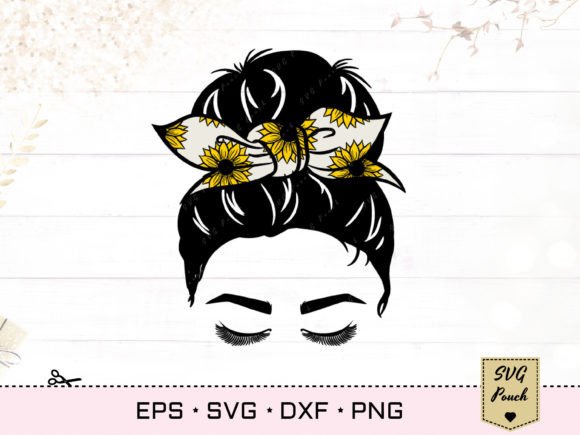
Upon opening the files, which include EPS, SVG, DXF, and PNG formats, the layout immediately strikes a balance between whimsy and structure. The messy bun motif conveys a relaxed, human element, while the sunflower adds a pop of organic symmetry that anchors the composition. For an embroidery project, this combination is strategic. Purely text-based mom life designs can sometimes look flat when stitched, but the addition of the sunflower provides necessary visual weight and color variation.
The mood is undeniably warm and approachable. It feels less like a rigid corporate logo and more like a boutique brand mark or a personalized gift identifier. As a reviewer, I appreciate that the silhouette appears distinct enough to read well from a distance, which is crucial for custom apparel and tote bag designs where the viewer is often several feet away. However, the success of this design depends entirely on how the digitizer has handled the transition between the hair texture and the floral petals.
Real-World Application: Stitching a Market Tote
To truly evaluate this asset, I mentally applied it to a specific case study: creating a line of embroidered canvas market totes for a local craft fair. Canvas is a textured, unforgiving fabric that demands clean lines. In this scenario, the Sunflower Messy Bun Svg serves as the central focal point of the bag.
For a tote bag design, the scale is generally larger, allowing for greater detail. If this file is utilized as an applique design, the sunflower petals could be cut from yellow cotton and secured with a satin stitch border, reducing overall stitch density while adding tactile interest. The messy bun portion would likely require a combination of fill stitch for volume and running stitch for defining individual hair strands. In my experience, this mixed-media approach works best for this specific aesthetic. A solid fill stitch on the hair can look heavy and plastic-like on canvas, whereas a textured stitch pattern mimics the actual feel of hair.
From a business perspective, this design targets a specific demographic effectively. Customers browsing Etsy listings or craft fair tables are drawn to items that reflect their identity. Seeing this design on a finished product signals that the maker understands current trends. It transforms a generic blank tote into a relatable lifestyle accessory, increasing perceived value and buyer engagement.
Navigating Fabric Limitations and Hoop Sizes
While the design shines on stable fabrics like canvas or denim, caution is required when adapting it for stretchy or delicate materials. If you plan to use this for sweatshirt embroidery or baby clothes, the stitch density becomes a critical factor. High-density designs on knit fabrics can cause puckering or create a bulletproof patch effect that ruins the garment's drape.
I strongly advise checking the stitch count before committing this design to a lightweight jersey or thin t-shirt. If the Sunflower Messy Bun Svg is dense, you may need to edit the file to remove underlay stitches or switch complex fills to lighter running stitches. For baby embroidery specifically, comfort is paramount; any rough backing or excessive thread buildup on the inside of the garment is unacceptable.
Hoop size compatibility is another practical consideration. The description notes the inclusion of vector and raster files, but does not specify pre-sized embroidery formats. This means you must verify the dimensions against your machine’s capabilities. If you are working with small hoop sizes, such as those used for caps or sleeves, intricate details in the sunflower center or hair wisps may get lost. On curved surfaces like caps, registration issues can occur if the design is too tall. Always test the aspect ratio to ensure it fits the printable area without distortion.
Technical Considerations for Commercial Use
For creative entrepreneurs and small shop owners, the versatility of the included file types is a major asset. The transparent PNG is excellent for creating printable mockups to validate market interest before stitching a single sample. You can overlay the design on digital blanks to see how it interacts with different background colors. This step saves time and materials by identifying contrast issues early. For instance, a dark brown messy bun might disappear on a black sweatshirt, requiring a white outline or a color adjustment to maintain visibility.
When using this for commercial embroidery projects, licensing is non-negotiable. Although the product description lists the file types, it cuts off regarding usage rights. Before selling finished products or digital assets derived from this Sunflower Messy Bun Svg, you must confirm whether the license permits commercial sale of physical goods versus digital redistribution. Protecting your business starts with respecting intellectual property.
Furthermore, consider the longevity of the finished product. Items like kitchen towels and aprons undergo frequent washing. Satin stitches on the outer edges of petals can snag over time. If this design is intended for high-wear items, ensure the edges are properly locked down or consider a raw-edge applique style secured with tight zigzag stitching to prevent fraying.
Designer Notes for Optimal Results
Based on my evaluation of similar graphics in the Crafts sector, here are my practical recommendations for achieving professional results with this design:
- Test on Scrap Fabric First: Never run this design directly on a final product without a test stitch-out. Use a scrap of the exact fabric and stabilizer combination you intend to use for the real project.
- Evaluate Stabilizer Choice: For the messy bun element, which may have directional stitches, use a cut-away stabilizer on knits to prevent shifting. For woven fabrics like tea towels, a tear-away may suffice, but only if the design isn't overly dense.
- Check Thread Color Contrast: Sunflowers rely on tonal variation. Ensure your thread palette includes multiple shades of yellow and gold to create depth, rather than a single flat color that makes the flower look two-dimensional.
- Inspect Small Details: Zoom in on the vector file to check for stray nodes or overlapping paths. These digital artifacts often translate into unnecessary trims or jumps during embroidery, slowing down production and affecting quality.
- Mockup Validation: Create both light and dark background mockups using the included PNG. This helps determine if you need to add a contrasting border or shadow effect for visibility on various garment colors.
- Verify Licensing Terms: Contact the seller to clarify the "NOTE" section mentioned in the description. Confirm explicitly if you can sell unlimited physical items or if there is a cap on production quantity.
Final Verdict on Design Versatility
The Sunflower Messy Bun Svg holds significant potential for makers who understand the nuances of digitizing and fabric behavior. Its strength lies in its emotional resonance and trend relevance, making it a viable candidate for everything from holiday gifts to everyday boutique merchandise. However, its success as an embroidery file relies heavily on the user's willingness to adapt it to specific substrates.
For the experienced embroiderer, this graphic offers a solid foundation for customization. Whether you are producing personalized gifts for Mother’s Day or stocking your Etsy shop with seasonal apparel, treating this design as a starting point rather than a final solution will yield the best outcomes. By paying attention to stitch density, fabric texture, and proper stabilization, you can transform this digital graphic into a high-quality handmade product that customers will cherish. Always remember that in embroidery, the file is merely the blueprint; your technical expertise is what builds the house.